Why It Matters

Land management decisions have long-term impacts on soil, water, wildlife, and the surrounding community. How land is cared for today determines its resilience and productivity for years to come.

The Handy Panda exists to provide landowners with a responsible, sustainable alternative to chemical and mechanical vegetation management—one that works with natural systems rather than against them.

Protecting Soil & Water

Heavy equipment and chemical herbicides can compact soil, increase erosion, and contribute to runoff that affects waterways and downstream ecosystems.

Targeted grazing:

  • Preserves soil structure

  • Reduces erosion and compaction

  • Supports natural nutrient cycling

  • Protects water quality

Healthy soil is the foundation of healthy land.

Supporting Biodiversity

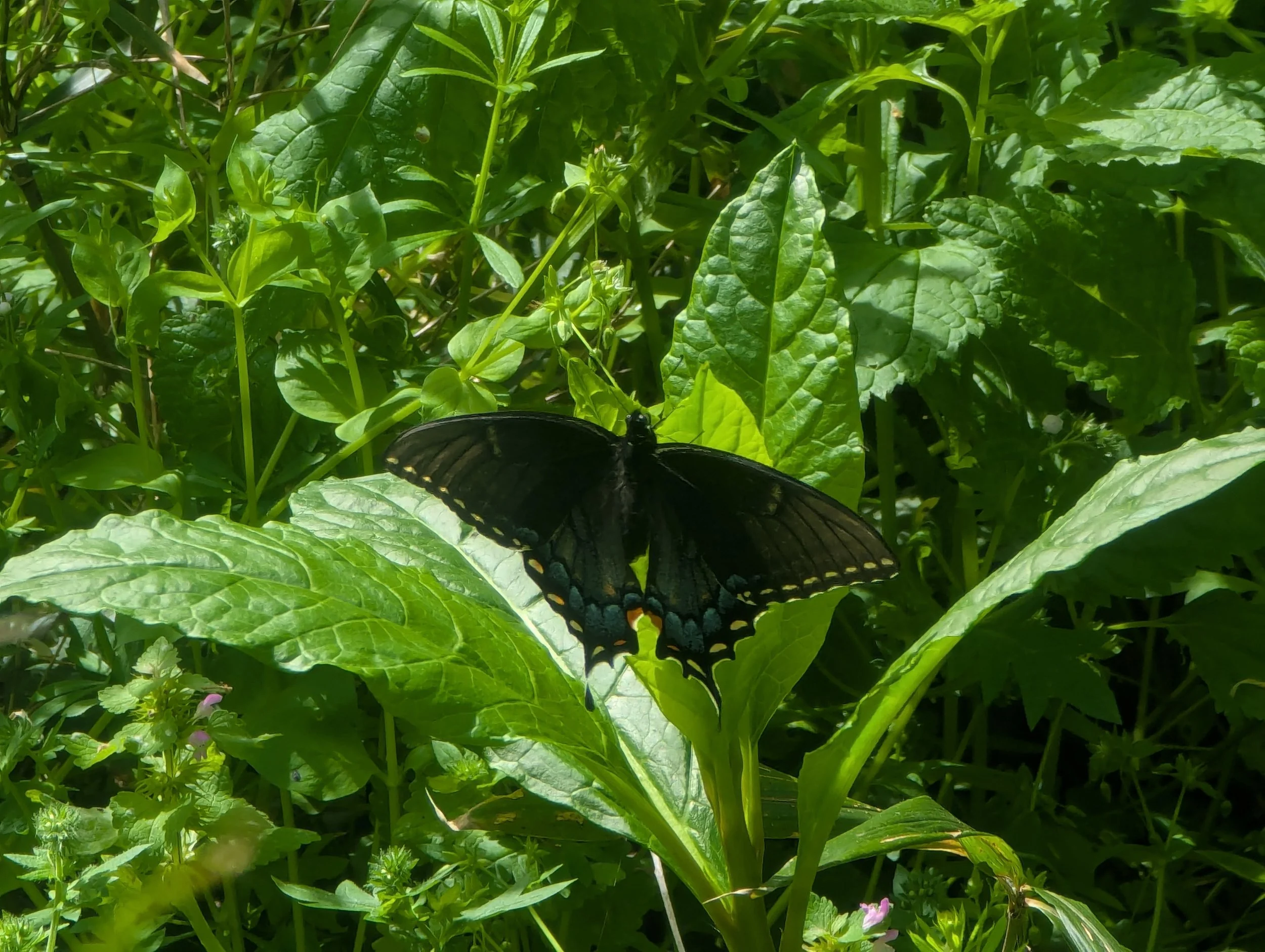
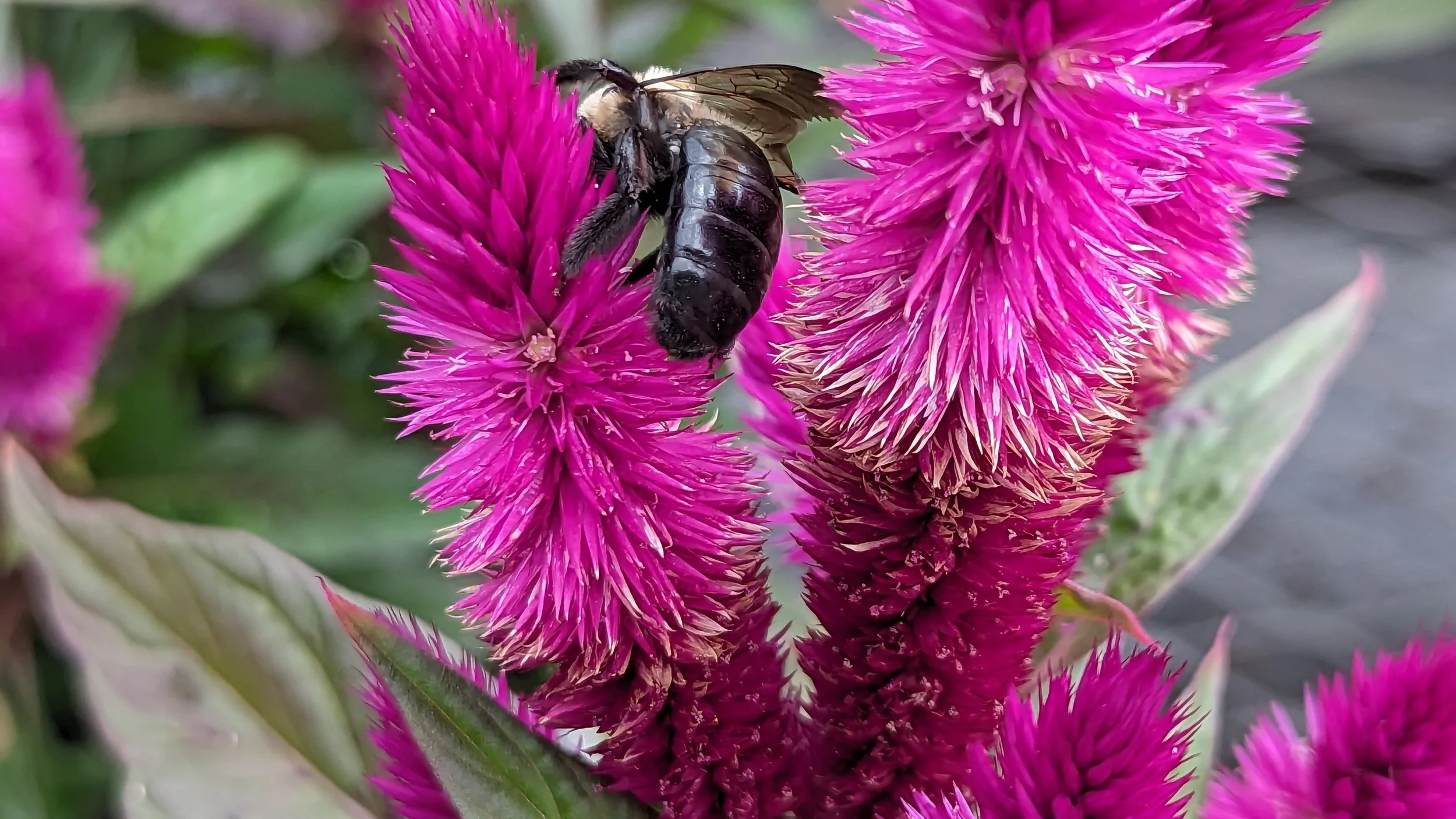
Invasive plant species crowd out native vegetation and disrupt ecosystems that wildlife and pollinators depend on. Targeted grazing helps reduce invasive pressure while giving native plants the opportunity to recover.

This approach supports:

  • Native plant regeneration

  • Pollinator habitat

  • Wildlife corridors and shelter

  • Balanced, functioning ecosystems

Reducing Chemical Dependence

Many landowners are seeking alternatives to repeated herbicide applications. Targeted grazing offers a chemical-free solution that reduces reliance on synthetic inputs while still delivering effective vegetation control.

This is especially important for:

  • Residential properties

  • Educational sites

  • Conservation lands

  • Areas near water sources

Building Community Resilience

Healthy land supports healthy communities. Sustainable land management improves:

  • Long-term land productivity

  • Climate resilience

  • Local food systems

  • Educational and community engagement opportunities

The Handy Panda views each project as part of a larger effort to support resilient landscapes and informed land stewardship across Central Kentucky.

Ethical Animal & Land Care

Our approach recognizes the interdependence of land, animals, and people. Ethical animal care and responsible land use are not separate goals—they are inseparable.

By prioritizing animal welfare and site-specific planning, targeted grazing becomes a tool for regeneration, not exploitation.

A Long-Term Perspective

Targeted grazing is not a one-time fix. It is most effective when applied as part of a long-term management strategy that respects seasonal cycles, land history, and ecological balance.

The Handy Panda works with clients who value thoughtful stewardship and understand that meaningful land improvement takes time.